Maintaining a clean and durable boat interior is essential for both comfort and long term performance. One of the most important interior components is the headliner, which not only enhances appearance but also protects the cabin structure. Over time, exposure to moisture, heat, and wear can damage the material, making replacing the headliner in boat cabin a necessary upgrade.
For high quality interior protection and materials, explore premium covers for boats designed to withstand marine conditions.
This guide provides a complete, expert level approach to help you understand the process, choose the right materials, and execute the replacement effectively.
What Is a Boat Cabin Headliner and Why It Matters
A boat cabin headliner is the fabric or vinyl layer attached to the interior ceiling of the cabin. It serves both functional and aesthetic purposes, acting as insulation while improving the overall finish of the interior.
Without a properly installed headliner, the cabin can feel incomplete and may be more vulnerable to condensation and structural wear.
Common Signs Your Headliner Needs Replacement
Several indicators suggest it is time for a replacement:
- Sagging or loose fabric panels
- Visible mold, mildew, or stains
- Peeling adhesive or detached sections
- Cracked or brittle backing material
Ignoring these signs can lead to further deterioration and may affect other interior components.
Benefits of Replacing a Damaged Headliner
Replacing the headliner improves both functionality and appearance:
- Enhances cabin insulation and temperature control
- Prevents moisture buildup and mold growth
- Improves the visual appeal of the interior
- Increases the lifespan of surrounding materials
A well installed headliner contributes significantly to overall boat interior restoration.
Tools and Materials You Will Need
Before starting the process, gathering the right tools and materials ensures a smooth workflow. Using marine grade products is essential for durability in harsh environments.
Choosing the Right Marine Fabric
Marine fabric plays a crucial role in the longevity of the headliner. When selecting material, consider:
- Resistance to moisture and mildew
- UV protection to prevent fading
- Flexibility for easy installation
- Strong backing for adhesion
Vinyl and foam backed fabrics are commonly preferred for their durability and ease of maintenance. For detailed product options, check this guide on replacing headliner in boat cabin.
Where to Buy Supplies (Marine Equipment Store Tips)
Choosing a reliable marine equipment store ensures access to quality materials and tools. Look for:
- Specialized marine upholstery products
- Trusted adhesives designed for high humidity
- A wide range of fabric options
- Expert guidance on installation
Working with a trusted provider like Canvas Designers helps ensure consistent quality and performance.
Step-by-Step Process to Replace a Boat Headliner
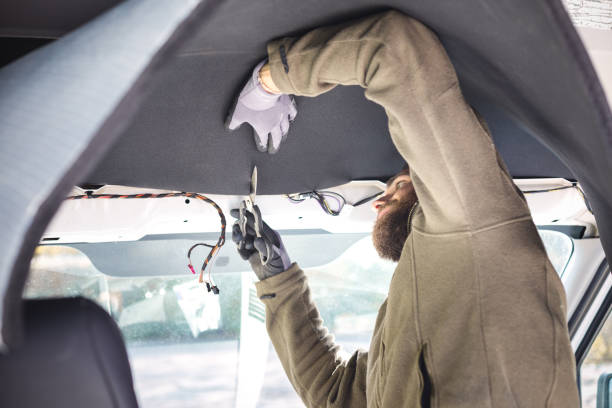
Replacing a headliner requires precision and attention to detail. Following a structured approach helps achieve professional results.
Removing the Old Headliner Safely
Start by carefully removing the existing headliner:
- Detach panels or fasteners holding the fabric
- Peel away the old material gently
- Remove leftover adhesive using appropriate solvents
Ensure the surface is cleared completely to avoid issues during reinstallation.
Preparing the Surface for Installation
Surface preparation is critical for proper adhesion:
- Clean the area thoroughly to remove dust and residue
- Sand rough or uneven sections if necessary
- Allow the surface to dry completely
A smooth and clean base ensures the new material bonds effectively and lasts longer.
Installing the New Headliner
The installation process requires careful alignment and application:
- Measure and cut the fabric to fit the cabin ceiling
- Apply marine grade adhesive evenly on both surfaces
- Press the fabric firmly while smoothing out wrinkles
- Secure edges properly for a clean finish
Take your time during this step to ensure a uniform and professional appearance.
Common Mistakes to Avoid During Replacement
Avoiding common errors can significantly improve the outcome:
- Using non marine grade materials that deteriorate quickly
- Applying uneven adhesive leading to bubbles or sagging
- Skipping surface preparation
- Cutting fabric inaccurately
Proper planning and attention to detail help prevent costly rework.
DIY vs Professional Upholstery Services
Boat owners often decide between handling the project themselves or hiring professionals.
DIY replacement offers:
- Cost savings
- Full control over material selection
- Flexibility in scheduling
Professional services provide:
- Expert craftsmanship
- Access to specialized tools
- Faster and more precise installation
If you are unsure about the process or require a flawless finish, consider reaching out through the contact page for expert assistance.
Maintenance Tips to Extend Headliner Life
After installation, proper maintenance helps extend the lifespan of your new headliner.
- Clean the surface regularly using mild cleaners
- Avoid excessive moisture buildup inside the cabin
- Inspect for early signs of wear or detachment
- Ensure proper ventilation to reduce humidity
Consistent maintenance reduces the need for frequent replacements and keeps the interior in optimal condition.
Conclusion
Replacing a headliner in a boat cabin is a valuable investment in both aesthetics and durability. By selecting the right materials, following a structured installation process, and maintaining the finished surface, you can significantly enhance your boat interior.
Whether you choose a DIY approach or professional support, focusing on quality and precision ensures long lasting results. A well maintained headliner not only improves comfort but also protects the integrity of the cabin over time.
FAQs
1. How long does it take to replace a boat cabin headliner?
The duration depends on the size of the cabin and preparation required. A standard replacement can take several hours to a full day.
2. What type of adhesive is best for marine headliners?
Marine grade adhesive designed for high humidity and temperature resistance is recommended for strong and lasting bonding.
3. Can I replace a headliner without removing panels?
In some cases, partial replacement is possible, but complete removal ensures better results and durability.
4. How do I prevent my new headliner from sagging?
Proper surface preparation, even adhesive application, and high quality materials help prevent sagging over time.
5. Is marine fabric different from regular upholstery fabric?
Yes, marine fabric is specifically designed to resist moisture, UV exposure, and mildew, making it suitable for boat interiors.