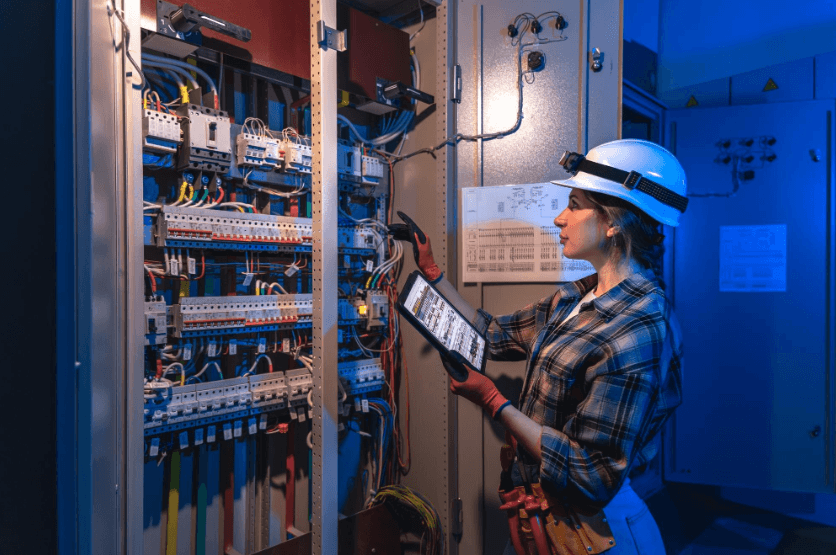
Switchgear maintenance plays a critical role in ensuring the reliability, safety, and efficiency of electrical systems across industrial, commercial, and utility environments. These systems are responsible for controlling, protecting, and isolating electrical equipment, making them an essential component of any power distribution network. Without consistent upkeep, switchgear can become vulnerable to wear, faults, and unexpected breakdowns that often result in expensive downtime and repairs.
Electrical failures are rarely sudden events. In most cases, they develop gradually due to overlooked issues such as insulation degradation, loose connections, or environmental factors. Regular switchgear maintenance helps identify these warning signs early, allowing corrective action before failures escalate into serious operational disruptions.
Understanding the Role of Switchgear in Electrical Systems
Switchgear refers to a combination of electrical disconnect switches, fuses, and circuit breakers used to manage electrical flow. It protects equipment from overloads, short circuits, and faults while ensuring safe operation and maintenance.
Modern switchgear systems are designed to handle complex electrical loads and provide advanced protection features. However, their performance depends heavily on their condition. Even minor faults can compromise the entire system, leading to cascading failures.
Reliable switchgear ensures:
- Continuous power supply to critical systems
- Protection of expensive electrical equipment
- Safe operation for personnel
- Efficient energy distribution
When maintenance is neglected, these benefits quickly diminish, increasing the risk of system failures.
The Hidden Costs of Electrical Failures
Electrical failures can have far-reaching consequences beyond immediate repair costs. While replacing damaged components is expensive, the indirect costs often have a greater impact on businesses.
Unexpected failures can result in production downtime, data loss, safety hazards, and damage to connected equipment. In industries such as manufacturing, healthcare, and data centers, even a short power interruption can lead to significant financial losses.
Some common hidden costs include:
- Loss of productivity due to unplanned outages
- Emergency repair expenses and overtime labor
- Damage to connected machinery and systems
- Safety risks leading to liability issues
Regular maintenance minimizes these risks by keeping systems in optimal working condition and reducing the likelihood of sudden breakdowns.
Common Causes of Switchgear Failures
Understanding what leads to switchgear failures is the first step toward preventing them. Most failures are not caused by a single issue but by a combination of factors that develop over time.
Aging and Wear
Like all electrical equipment, switchgear components degrade with age. Insulation materials weaken, contacts erode, and mechanical parts lose their effectiveness. Without periodic inspection, these issues remain unnoticed until failure occurs.
Environmental Conditions
Switchgear is often exposed to dust, moisture, heat, and corrosive environments. These conditions accelerate deterioration and increase the risk of faults such as insulation breakdown or corrosion of contacts.
Poor Installation or Design
Improper installation or outdated design can create weak points in the system. These issues may not be immediately apparent but can lead to failures under load conditions.
Lack of Routine Inspection
One of the most common causes of failure is simply neglect. Without regular inspections, small issues like loose connections or minor overheating can escalate into major faults.
How Regular Maintenance Prevents Failures
Routine switchgear maintenance focuses on identifying and addressing potential issues before they lead to system breakdowns. It involves a combination of inspection, testing, cleaning, and component replacement.
Early Detection of Faults
Maintenance activities help detect problems such as insulation deterioration, overheating, or contact wear at an early stage. This allows for timely repairs, preventing minor issues from becoming major failures.
Improved System Reliability
Well-maintained switchgear operates more reliably, ensuring consistent power supply and reducing the likelihood of unexpected outages. This is especially important for critical operations that depend on uninterrupted electricity.
Enhanced Safety
Faulty switchgear poses significant safety risks, including electrical fires and arc flash incidents. Regular maintenance ensures that protective mechanisms function correctly, reducing hazards for personnel.
Extended Equipment Lifespan
Replacing switchgear components can be costly. Maintenance helps extend the lifespan of existing equipment by keeping it in good condition and reducing the rate of wear and tear.
Key Components Checked During Maintenance
Switchgear maintenance involves thorough examination of various components to ensure optimal performance. Each part plays a crucial role in the overall functionality of the system.
Circuit Breakers
Circuit breakers are responsible for interrupting electrical flow during faults. Maintenance includes testing their operation, checking contact conditions, and ensuring proper alignment.
Insulation Systems
Insulation prevents electrical leakage and short circuits. Regular testing helps identify weaknesses that could lead to failures.
Busbars and Connections
Loose or corroded connections can cause overheating and energy loss. Maintenance ensures all connections are secure and free from damage.
Protective Relays
Relays detect abnormal conditions and trigger protective actions. Their accuracy and response time are critical for system safety.
Types of Maintenance Practices
Different maintenance strategies can be applied depending on the system requirements and operational priorities.
Preventive Maintenance
This approach involves scheduled inspections and servicing to prevent failures before they occur. It is one of the most effective ways to maintain system reliability.
Predictive Maintenance
Predictive maintenance uses advanced monitoring techniques such as thermal imaging and partial discharge analysis to identify potential issues based on real-time data.
Corrective Maintenance
This type of maintenance is performed after a fault is detected. While necessary, relying solely on corrective maintenance increases the risk of unexpected failures.
The Role of Testing in Maintenance
Testing is a critical part of switchgear maintenance, providing valuable insights into the condition of the equipment. Various tests are conducted to assess performance and identify hidden issues.
Thermal Imaging
Thermal imaging detects hotspots caused by loose connections or overloaded components. Identifying these areas early helps prevent overheating and potential failure.
Insulation Resistance Testing
This test measures the effectiveness of insulation materials. Low resistance values indicate potential insulation breakdown.
Functional Testing
Functional tests ensure that all components, including circuit breakers and relays, operate as intended under different conditions.
See also: How Technology Impacts Human Behavior
Benefits of a Structured Maintenance Schedule
A well-planned maintenance schedule ensures that all components are inspected and serviced at appropriate intervals. This systematic approach offers several advantages.
Consistency is one of the biggest benefits. Regular checks ensure that no component is overlooked, reducing the chances of unexpected issues. It also allows for better planning of maintenance activities, minimizing disruption to operations.
Additionally, a structured schedule helps in maintaining compliance with safety standards and industry regulations. Proper documentation of maintenance activities provides a clear record of system health and performance.
Reducing Downtime Through Proactive Care
Downtime is one of the most significant consequences of electrical failures. Proactive maintenance plays a key role in minimizing downtime by addressing issues before they lead to system interruptions.
By identifying potential problems early, maintenance teams can schedule repairs during planned downtime rather than dealing with unexpected outages. This not only reduces operational disruption but also lowers repair costs.
Proactive care also improves overall system efficiency, ensuring that equipment operates at optimal performance levels.
The Impact on Energy Efficiency
Poorly maintained switchgear can lead to energy losses due to inefficient operation. Issues such as loose connections, corrosion, and overheating increase resistance and reduce efficiency.
Regular maintenance ensures that all components function efficiently, reducing energy waste and improving overall system performance. This not only lowers operational costs but also contributes to sustainable energy use.
Safety Compliance and Risk Management
Electrical systems must comply with strict safety standards to protect both equipment and personnel. Regular maintenance ensures that switchgear meets these requirements and operates safely.
Routine inspections help identify potential hazards such as faulty insulation or malfunctioning protective devices. Addressing these issues reduces the risk of accidents and ensures a safer working environment.
Effective risk management also involves maintaining proper documentation and adhering to industry guidelines, which are essential for audits and regulatory compliance.
When Maintenance is Overdue
Ignoring maintenance can lead to noticeable warning signs that indicate potential failure. Recognizing these signs early can prevent serious issues.
Common indicators include:
- Unusual noises or vibrations from switchgear
- Frequent tripping of circuit breakers
- Visible signs of overheating or discoloration
- Delayed response of protective devices
These symptoms should never be ignored, as they often signal underlying problems that require immediate attention.
Building a Long Term Maintenance Strategy
A long term maintenance strategy is essential for ensuring the reliability and longevity of switchgear systems. This involves more than just routine inspections. It requires careful planning, resource allocation, and continuous monitoring.
An effective strategy includes regular assessments, timely upgrades, and the use of advanced diagnostic tools. It also involves training personnel to identify potential issues and respond effectively.
Investing in a comprehensive maintenance plan may seem costly initially, but it significantly reduces the risk of expensive failures and ensures smooth operation over time.
Conclusion
Switchgear is a vital component of any electrical system, and its reliability directly impacts overall performance and safety. Regular switchgear maintenance is not just a routine task but a critical investment in preventing costly electrical failures.
By identifying potential issues early, improving system efficiency, and ensuring compliance with safety standards, maintenance helps avoid unexpected breakdowns and financial losses. A proactive approach to maintenance ensures that switchgear systems remain dependable, efficient, and safe, supporting uninterrupted operations in even the most demanding environments.