Understanding Environmental Control in Battery Production
Battery manufacturing requires highly controlled environmental conditions to ensure consistency, safety, and efficiency. Among all environmental factors, humidity control is one of the most critical elements. Even small amounts of moisture can interfere with sensitive materials and disrupt production processes.
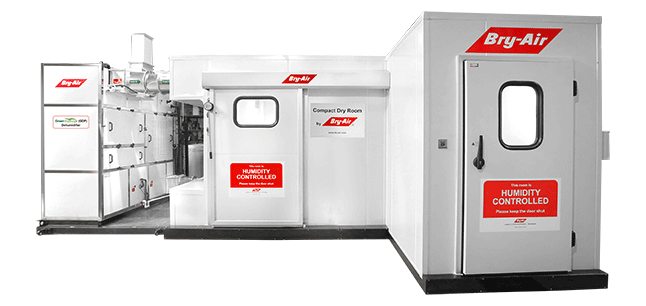
To maintain the required level of control, manufacturers depend on advanced lithium battery dry rooms that are designed to maintain ultra low humidity conditions. These specialized environments ensure that moisture is minimized, allowing production processes to operate without interference.
Dry rooms are not just enclosed spaces but integrated systems that combine dehumidification, airflow management, and temperature regulation. This combination creates a stable environment that supports precision manufacturing.
The Impact of Moisture on Battery Manufacturing
Chemical Sensitivity of Materials
Lithium based materials are highly reactive to moisture. When exposed to humidity, unwanted chemical reactions can occur, affecting the composition and stability of materials used in battery production.
Maintaining a dry environment helps preserve the integrity of these materials, ensuring that manufacturing processes remain consistent and reliable.
Quality Control Challenges
Moisture can lead to defects that impact the quality and performance of batteries. These defects may reduce efficiency, reliability, and overall lifespan.
A controlled dry room environment minimizes these risks by preventing moisture from interacting with critical components during production.
Operational Disruptions
Uncontrolled humidity can introduce variability into manufacturing processes. This can lead to inefficiencies, increased downtime, and the need for additional quality checks.
By maintaining stable environmental conditions, dry rooms help streamline operations and improve productivity.
How Lithium Battery Dry Rooms Work
Advanced Dehumidification Technology
Dry rooms rely on sophisticated dehumidification systems to achieve extremely low humidity levels. These systems often use desiccant technology, which absorbs moisture from the air even under demanding conditions.
Continuous operation ensures that humidity levels remain consistent throughout the production process.
Controlled Airflow Systems
Proper airflow is essential for maintaining uniform conditions within a dry room. Air handling systems are designed to distribute dry air evenly, preventing localized variations in humidity.
This ensures that all areas of the facility meet the required environmental standards.
Integration of Temperature and Humidity Control
Temperature and humidity are closely linked in controlled environments. Dry rooms integrate both factors to create a stable atmosphere that supports manufacturing requirements.
Automated systems monitor conditions in real time and make adjustments as needed to maintain optimal performance.
Benefits of Implementing Dry Rooms in Battery Manufacturing
Improved Product Consistency
Maintaining ultra low humidity levels ensures that materials behave as expected during production. This leads to consistent output and improved product quality.
Enhanced Process Efficiency
Stable environmental conditions reduce the likelihood of disruptions, allowing for smoother and more efficient manufacturing processes.
Reduced Risk of Defects
By eliminating moisture related issues, dry rooms help minimize defects and improve overall reliability.
Long Term Cost Efficiency
Although dry room systems require an initial investment, they offer long term benefits through reduced waste, fewer defects, and improved operational efficiency.
Types of Battery Dry Room Configurations
Modular Dry Rooms
Modular systems offer flexibility and scalability, allowing manufacturers to expand or modify their setup as needed. These systems are ideal for facilities with evolving production requirements.
Turnkey Dry Room Solutions
Turnkey solutions provide a complete package that includes design, installation, and integration. These systems are tailored to meet specific environmental requirements and ensure seamless implementation.
For further understanding of system capabilities, exploring battery dry rooms can provide valuable insights into how these environments are structured.
Custom Engineered Systems
Custom dry rooms are designed to address unique manufacturing challenges. These systems are developed based on specific operational needs, ensuring optimal performance.
Key Considerations for Designing Dry Rooms
Required Dew Point Levels
The dew point determines how dry the air needs to be within the facility. Lower dew points indicate lower moisture levels, which are essential for lithium battery manufacturing.
Space Planning and Layout
The design and layout of the dry room play a significant role in maintaining uniform conditions. Proper planning ensures efficient airflow and effective system performance.
Energy Efficiency
Energy consumption is a critical factor in dry room operations. Advanced systems are designed to optimize energy use while maintaining high performance.
Maintenance and Monitoring
Regular maintenance and continuous monitoring are essential for ensuring consistent performance. Automated systems help track environmental conditions and identify potential issues.
Integration with Modern Manufacturing Systems
Automation and Smart Controls
Dry rooms are equipped with automated systems that monitor and adjust environmental parameters in real time. This ensures consistent performance and reduces the need for manual intervention.
Data Driven Optimization
Modern systems use data analytics to optimize performance and improve efficiency. Continuous monitoring allows for better control and decision making.
Scalability and Future Expansion
As manufacturing demands grow, dry room systems must be able to scale accordingly. Flexible designs allow for expansion without compromising environmental stability.
Emerging Trends in Dry Room Technology
Energy Efficient Innovations
Technological advancements are focused on reducing energy consumption while maintaining ultra low humidity levels. Improved materials and system designs contribute to greater efficiency.
Smart Environmental Management
The integration of smart technologies enables precise control over environmental conditions. This enhances reliability and supports consistent production outcomes.
Sustainable Engineering Approaches
Sustainability is becoming increasingly important in industrial design. Dry room solutions are evolving to include environmentally responsible features that reduce overall impact.
Conclusion
Lithium battery dry rooms are essential for maintaining the precision and efficiency required in modern manufacturing environments. By controlling humidity at extremely low levels, these systems protect sensitive materials, improve product quality, and support consistent operations.
Investing in advanced dry room solutions allows manufacturers to meet the demands of high performance battery production while ensuring long term reliability. Solutions offered by Bry-Air provide a comprehensive approach to environmental control, helping industries achieve optimal efficiency and sustainable growth.