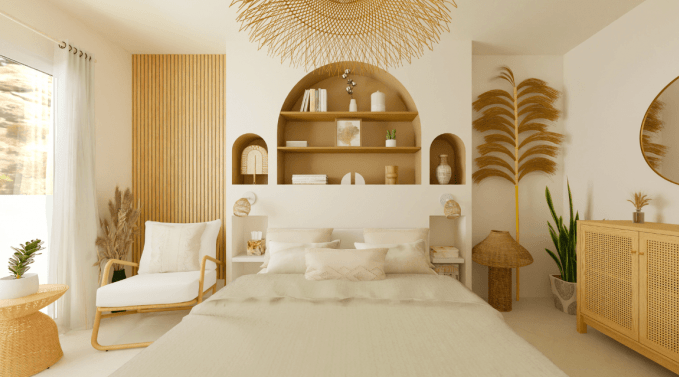
A clear map of the space guides the approach to bedroom layout. Doors, windows, and built-ins define constraints and pathways. The bed sits as the room’s visual anchor, oriented for balance and flow. Storage and seating are compact and multi-functional to reduce clutter. Rugs anchor zones, lighting layers create atmosphere, and deliberate zoning yields flexible, serene space—yet the next step reveals how shape and proportions steer every decision.
How to Assess Your Bedroom’s Shape and Flow
To gauge a bedroom’s shape and flow, start with a clear map of the space: note walls, doors, windows, and built-ins, then identify traffic patterns and focal points. This assessment clarifies bedroom shape, circulation flow, and potential seating arrangements, guiding storage solutions and furniture placement. A concise blueprint enables confident decisions while preserving openness and personal freedom.
Choose a Focal Bed Layout for Comfort and Circulation
Choosing a focal bed layout centers the bed as the room’s visual anchor while preserving clear circulation. This approach highlights bed orientation within the space, balancing proportion and flow.
Visual clarity guides furniture placement, ensuring comfortable pathways and defined circulation zones.
The result is a serene, flexible layout that supports movement, access, and personal expression without clutter or constraint. bed orientation, circulation flow
Smart Storage and Seating Configurations by Space
Smart storage and seating configurations adapt to room size and function, guiding decisions on built-ins, multi-functional furniture, and compact seating.
Space assessment informs arrangement, considering bedroom shape and focal bed layout to optimize comfort circulation.
Visual clarity: compact sofas, ottomans, and hidden drawers maximize utilitarian value.
Rugs, lighting, ambience zoning support flexible, free-flowing arrangements.
Finishing Touches: Rugs, Lighting, and Zoning for Ambience
Finishing touches define mood and function in a bedroom, where rugs anchor zones, lighting shapes atmosphere, and deliberate zoning enhances flow. Soft textures frame comfort, while layered lighting creates depth and flexibility. The arrangement emphasizes layout harmony, guiding movement between ambient zones and seating or meditation nooks. Thoughtful rugs, fixtures, and clear zones transform the space into a cohesive, serene retreat.
Frequently Asked Questions
How Do I Maximize Natural Light in a Small Bedroom?
Maximize light by choosing sheer window treatments and pale walls; maximize light. The layout optimizes placement: position the bed away from the window, reflectors like mirrors, and keep pathways clear, allowing daylight to permeate throughout the compact space.
What Are Budget-Friendly Bed Frame Alternatives for Minimal Spaces?
Budget friendly options for a space saving bed frame in a small bedroom include floor cushions, low platform bases, inflatable mattresses, wall-mounted shelves with a mattress, futon frames, and DIY wooden pallets converted into compact sleeping platforms.
See also: How Technology Impacts Human Behavior
How Often Should I Rotate or Refresh My Bedroom Layout?
A practical answer: rotate schedule every 4–8 weeks to keep flow intuitive, and refresh cadence quarterly or seasonally as needed. It remains flexible, prioritizing comfort and freedom while maintaining a clean, visually balanced bedroom environment.
Which Wall Should Host the Tallest Dresser for Balance?
Should the tallest dresser anchor the dominant wall? The answer: yes, on the longest, unobstructed axis creates balance. two word idea 1: visual grounding; two word idea 2: airy circulation. The approach respects freedom, structure, and concise visual clarity.
How Can I Reduce Noise Transfer Between Rooms?
To reduce noise transfer: implement noise reduction ideas such as door seals, soft flooring, and heavy curtains; use rugs and acoustic panels. Budget friendly decor yields visible gains, maintaining an airy, freedom-loving aesthetic while preserving visual clarity and budget.
Conclusion
A bedroom reveals its rhythm when shape meets function. Juxtaposition threads calm against motion: a bed-centered anchor amid circulating paths, a compact desk beside a generous rug, soft lighting countering sharp angles. In these contrasts, clutter dissolves into purposeful zones, and quiet corners become arenas for rest and planning. The room’s clarity emerges not from sameness but from deliberate opposites—open air and intimate containment, stillness and activity—crafting a space that feels both serene and alive.