Home gardens have quietly become personal retreats. More homeowners are spending real time and money on outdoor spaces that feel genuinely restorative, and water features sit at the center of that shift. A garden pond with a working fountain creates a kind of calm that’s almost impossible to replicate with plants or furniture alone. The soothing sound matters. The movement matters even more.
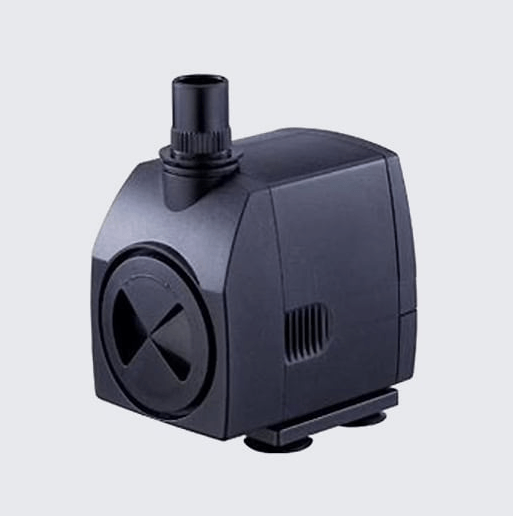
What most people discover once they invest in the right equipment is how dramatically the water experience improves. A well-matched fountain pond pumptransforms a static garden pond into something dynamic, visually balanced, and genuinely soothing to be around. The spray reaches the right height, the movement feels intentional, and the whole water feature settles into a rhythm that makes the outdoor space feel designed rather than assembled.
When Still Water Starts Working Against You
The Quiet Problem Nobody Warns You About: A garden pond without adequate circulation does more harm than most homeowners expect. Water that sits still long enough begins to stagnate, and that process accelerates noticeably in warmer weather. Algae blooms follow quickly and are not easy to reverse. Mosquitoes breed where they aren’t welcome. The pond that was supposed to anchor the backyard gradually becomes something people walk past rather than sit beside.
Why Aeration Matters Beyond the Visual: A working fountain does more than look appealing. It keeps water moving through the pond’s full volume, which introduces oxygen and disrupts the surface layer where algae tends to settle. Without that motion, the water chemistry shifts in ways that affect fish health, plant growth, and the general smell of the space. A stagnant pond rarely stays just a visual problem.
The Link Between Pump Output and Water Health: A pump’s flow rate, measured in gallons per hour, is the metric that determines how well the system maintains water quality over time. Most recommendations suggest turning over the full pond volume at least once per hour. Running below that threshold allows debris and algae to accumulate faster than the system can manage. The effects become visible within weeks.
The Numbers Behind a Balanced Water Feature
How Hydraulic Head Shapes Pump Performance: One figure that separates a well-chosen pump from an underperforming one is hydraulic head, the vertical distance water must travel against gravity before reaching the spray nozzle. Every pump has a performance curve showing how output declines as lift increases. A pump rated for strong performance at surface level may deliver significantly less flow when pushing water two or three feet upward.
Reading Pump Specs Without Getting Burned: Pump packaging lists maximum flow rates under ideal conditions, meaning no lift, no friction, and no resistance from tubing. Real-world performance is always lower. Choosing based only on the maximum figure often leads to underwhelming results once the pump is installed. Looking at the rated output at the actual lift height the fountain requires is the step most buyers overlook entirely.
Signs the Current Pump May Not Be Right
- Spray height drops noticeably in warmer months, suggesting the pump is working harder than it was designed to.
- Water looks cloudy or greenish even after regular treatments, which often points to insufficient circulation.
- The fountain runs audibly but produces weak output, a common sign the motor is undersized for the lift required.
- Algae returns quickly after cleaning, indicating that water turnover is falling below a healthy threshold.
- The spray pattern becomes erratic or shifts unpredictably, often caused by debris partially blocking the pump intake.
See also:The Hidden Benefits of Installing a Premium Marble Temple in Your Delhi Home
Spray Patterns and What They Actually Do
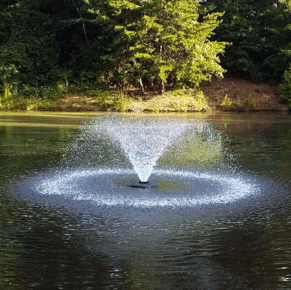
Matching the Pattern to the Pond’s Scale: The spray pattern chosen for a water feature shapes its entire visual tone. Wide, low fans work well for shallow ponds with ornamental fish, creating a soft, natural look that doesn’t overwhelm the space. Taller, narrower jets project a more architectural quality that suits larger or more formal garden designs. The pattern should reflect the pond’s dimensions rather than personal preference alone.
Why Overshooting the Spray Height Creates Real Costs: A spray that carries water beyond the pond’s edges causes gradual water loss and uneven evaporation. Over time, this lowers the water level below safe operating depth and strains the pump unexpectedly. Choosing a fountain head and pump combination that keeps the spray well within the pond’s footprint protects the equipment and reduces the need for frequent water top-ups and refills.
Energy Draw and the Value of a Proper Fit: A pump working harder than necessary to maintain spray height uses more electricity and wears out faster than it should. The monthly energy cost of running an undersized or mismatched pump adds up more than most homeowners calculate before buying. Choosing the right pump the first time around isn’t just about performance. It’s a decision that affects running costs across the entire lifespan of the water feature.
What the Right Pump Actually Changes
Consistency Is What Makes a Water Feature Work: A pond running on the correctly matched pump behaves differently from the very first week. The spray holds a consistent height. The water stays clear long enough that both plants and fish look healthy. The sound settles into something rhythmic and steady, and that consistency turns the pond from a maintenance obligation into a genuine outdoor retreat worth spending time near.
The Long-Term Case for Getting It Right Early: Choosing a pump that fits the pond’s actual size, depth, and spray requirements from the start prevents a frustrating cycle of repairs and replacements. Undersized pumps burn out faster under load. Oversized ones create turbulence that disturbs fish and disrupts plant growth. The right match runs efficiently across seasons and requires far less intervention over time.
Where Calm Water Begins
A peaceful outdoor space doesn’t come together by accident. The fountain is what people see and hear, but the pump is what keeps it performing season after season. Matching the pump to the pond’s actual requirements is the decision that holds everything else together. If you’re ready to make that choice with confidence, explore purpose-built fountain pond pump solutions designed for your specific pond’s size and performance needs.