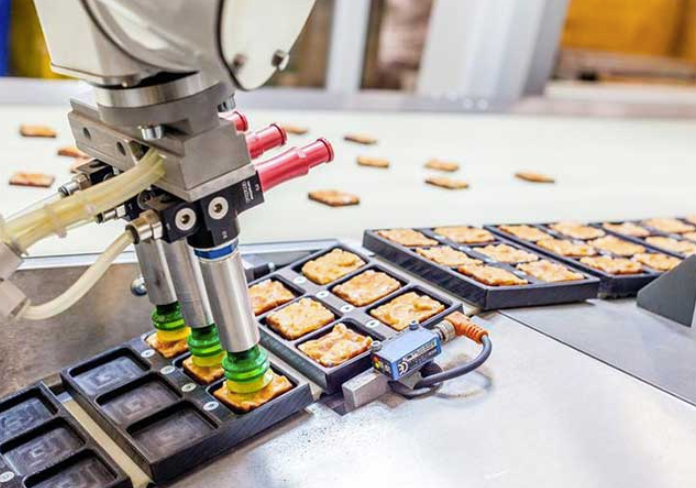
Robotics is increasingly becoming a pivotal force across various industries. Its influence extends from manufacturing to healthcare, driving efficiency and innovation. Automation reduces human error and streamlines operations, enhancing productivity. As robots take over repetitive tasks, human roles are evolving, raising questions about the future landscape of work. The implications of these technological advancements are profound and merit further exploration into their impact on both industries and workforce dynamics.
The Impact of Robotics on Manufacturing Efficiency
As industries increasingly integrate advanced technologies, the impact of robotics on manufacturing efficiency becomes unmistakably significant.
Automation trends are reshaping workflows, enabling production optimization through enhanced precision and speed.
Robotics not only minimizes human error but also streamlines repetitive tasks, allowing personnel to focus on strategic decision-making.
Ultimately, this leads to greater productivity, reduced costs, and a more agile manufacturing landscape that fosters innovation and growth.
Transforming Healthcare: Robotics in Patient Care
Robotics is revolutionizing patient care across numerous healthcare settings, significantly enhancing the quality and efficiency of medical services.
Robotic surgery allows for minimally invasive procedures, reducing recovery times and improving outcomes.
Additionally, advanced patient monitoring systems enable healthcare providers to track vital signs in real-time, ensuring timely interventions.
This transformative technology is empowering both patients and practitioners, fostering a more responsive healthcare environment.
Enhancing Safety and Precision in Hazardous Industries
In numerous hazardous industries, the integration of robotic systems is significantly enhancing safety and precision.
These advanced technologies perform precision tasks that reduce human exposure to dangerous environments, ensuring adherence to stringent safety protocols.
See also: businessfrontpage
The Future of Work: Robotics and Job Evolution
The increasing reliance on robotics in hazardous industries is setting the stage for a broader transformation in the workforce.
As automation advances, job displacement becomes a pressing concern; however, it also drives skill adaptation. Workers must embrace new technologies, fostering a culture of continuous learning.
This evolution not only enhances productivity but also empowers individuals to thrive in a rapidly changing job landscape.
Conclusion
As industries embrace robotics, they resemble a well-conducted orchestra, where each robotic component harmonizes with human expertise to create a symphony of efficiency and innovation. For instance, a recent study found that manufacturing plants utilizing robotics saw productivity increases of up to 30%. This collaboration not only enhances operational capabilities but also allows human workers to take on more strategic roles, ensuring that as technology evolves, the workforce adapts, driving progress across various sectors into a promising future.