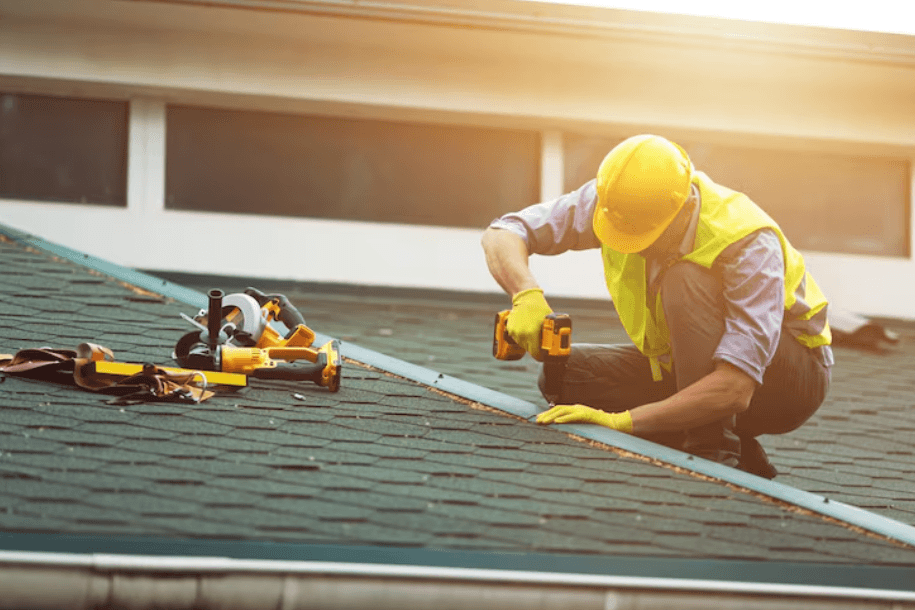
A roof leak is one of those home problems that often starts small but can quickly turn into a major and expensive issue if ignored. What begins as a minor water stain can eventually lead to structural damage, mold growth, electrical hazards, and costly repairs.
The key to avoiding serious damage is early detection and timely roof leak repair. Understanding the warning signs and knowing what steps to take can save homeowners significant time, money, and stress.
In this guide, we’ll explain how to identify roof leaks early, what causes them, and how to repair them before they become a serious problem.
Why Roof Leaks Should Never Be Ignored
A roof is your home’s first line of defense against weather conditions like rain, wind, and heat. When even a small leak develops, water begins to slowly enter the structure of your home.
Over time, this moisture can weaken wooden beams, damage insulation, and create the perfect environment for mold and mildew growth. If the leak reaches electrical wiring, it can also create safety hazards.
What makes roof leaks particularly dangerous is that they often go unnoticed until significant damage has already occurred. That’s why early detection is essential.
Common Signs of a Roof Leak
Detecting a roof leak early can help prevent serious structural damage. One of the most common signs is water stains on ceilings or walls. These stains often appear as yellow or brown patches and gradually grow larger if the leak continues.
Another warning sign is peeling paint or bubbling plaster, which indicates moisture trapped beneath the surface. In some cases, you may also notice damp spots in the attic or a musty odor caused by mold growth.
Missing or damaged shingles on the roof can also signal potential leakage points. After heavy rain, checking your attic for any signs of moisture is a simple but effective way to catch leaks early.
What Causes Roof Leaks?
Roof leaks can occur for several reasons, and understanding the cause is important for effective repair.
One of the most common causes is damaged or missing shingles. Over time, weather exposure can cause shingles to crack, curl, or fall off, leaving the roof vulnerable to water penetration.
Poor installation or aging roofing materials can also lead to leaks. Flashing issues around chimneys, vents, and skylights are another frequent source of water entry.
Clogged gutters can cause water to pool on the roof, increasing the risk of leaks. Additionally, storm damage from heavy rain, hail, or strong winds can weaken the roof structure and create openings for water to enter.
How to Detect Roof Leaks Early
Early detection is the most important step in preventing serious roof damage. Regular roof inspections, especially after storms, can help identify potential issues before they worsen.
Start by checking your attic during or after rainfall. Look for damp insulation, water drips, or dark stains on wooden beams. These are strong indicators of an active leak.
From the outside, inspect your roof for missing shingles, damaged flashing, or debris buildup. Pay special attention to areas around chimneys, skylights, and vents, as these are common weak points.
Using a flashlight during attic inspections can help you spot even small moisture signs that might otherwise go unnoticed.
Temporary Fixes for Roof Leaks
If you discover a roof leak, it’s important to act quickly to minimize damage. While professional repair is recommended for long-term solutions, there are temporary fixes you can apply in the meantime.
Placing a waterproof tarp over the affected area can help prevent further water entry during rainfall. This is especially useful during emergencies when immediate repair is not possible.
Inside the home, using buckets or containers to collect dripping water can prevent damage to floors and furniture. It is also important to move any valuables away from the affected area.
These temporary measures should only be used until a proper roof leak repair is carried out.
Permanent Roof Leak Repair Solutions
Permanent roof leak repair depends on the cause and severity of the damage. For minor issues like small cracks or missing shingles, replacing the damaged shingles and sealing gaps with roofing cement may be sufficient.
If the flashing around chimneys or vents is damaged, it will need to be repaired or replaced to prevent further leakage. In cases where the roof is aging or extensively damaged, partial or full roof replacement may be necessary.
Professional roofers typically perform a detailed inspection before recommending the best repair solution. This ensures that the root cause of the leak is properly addressed rather than just treating the symptoms.
Why Professional Roof Repair Is Important
While some minor repairs can be handled by homeowners, most roof leaks require professional expertise. Roofing specialists have the tools and experience to identify hidden damage that may not be visible during a basic inspection.
They can also ensure that repairs are done safely and correctly, reducing the risk of future leaks. Improper DIY repairs can sometimes worsen the problem or lead to repeated issues.
Hiring a professional ensures that the roof is properly sealed, structurally sound, and able to withstand future weather conditions.
See also: New Home Builder Perth Designing and Building Modern Homes Tailored to Your Lifestyle
Preventing Future Roof Leaks
Preventive maintenance is the best way to avoid roof leaks. Regular roof inspections, especially before and after monsoon or storm seasons, can help detect early signs of damage.
Keeping gutters clean is also important, as blocked gutters can cause water to back up and seep into the roof. Trimming nearby trees reduces the risk of branches damaging shingles during storms.
Scheduling periodic professional roof maintenance can extend the life of your roof and prevent costly repairs in the future.
Cost of Roof Leak Repair
The cost of roof leak repair depends on several factors, including the extent of the damage, roofing material, and labor requirements.
Minor repairs such as fixing small leaks or replacing a few shingles are generally more affordable. However, extensive damage or structural issues may require more expensive repairs or partial roof replacement.
While costs can vary, addressing leaks early is always more cost-effective than waiting for the damage to spread.
Final Thoughts
Roof leaks may start small, but they can quickly escalate into serious structural problems if ignored. Early detection, timely repair, and regular maintenance are key to protecting your home.
By understanding the warning signs and taking quick action, homeowners can prevent water damage, avoid expensive repairs, and extend the life of their roof.
Whether it’s a minor patch or a major repair, addressing roof leaks early is always the smartest and most cost-effective approach.