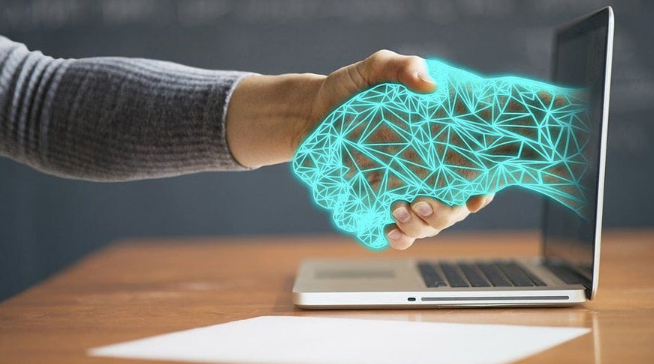
Technology significantly influences human behavior, altering how individuals communicate and interact. Instant messaging and social media have changed traditional communication patterns, often favoring brevity over depth. This shift raises questions about the implications for personal relationships and self-image. Moreover, the overwhelming influx of information can hinder decision-making processes. Understanding these dynamics is essential to navigate the complexities of modern life and their effects on mental health and well-being. What further consequences might emerge from this ongoing evolution?
How Technology Shapes Our Communication Styles
How does technology influence the way individuals communicate? It reshapes communication styles through instant messaging and virtual conversations, necessitating new texting etiquette.
As individuals increasingly rely on digital platforms, the nuances of face-to-face interaction diminish, leading to more abbreviated and context-dependent exchanges. This shift encourages efficiency but may also undermine emotional depth, prompting a reevaluation of interpersonal connections in a technology-driven world.
The Influence of Social Media on Relationships and Self-Perception
The rise of social media has significantly transformed interpersonal relationships and shaped individuals’ self-perception. Users increasingly seek social validation through likes and comments, fostering a reliance on external approval.
This phenomenon often leads to curated representations of life, impacting authenticity. Furthermore, digital intimacy replaces traditional forms of connection, creating both closeness and distance, ultimately reshaping how individuals perceive themselves and their relationships.
The Impact of Technology on Decision-Making and Problem-Solving
As technology continues to advance, its influence on decision-making and problem-solving processes becomes increasingly evident.
The proliferation of data-driven decisions enhances accuracy, yet it also contributes to cognitive overload, complicating the ability to process information effectively. Individuals may struggle to synthesize vast amounts of data, leading to potential paralysis in decision-making, undermining the freedom to choose confidently in complex situations.
See also: How Technology Helps in Scientific Discoveries
Mental Health in the Digital Age: Benefits and Drawbacks
While digital connectivity offers unprecedented access to mental health resources, it simultaneously presents challenges that can exacerbate psychological issues.
Telehealth accessibility facilitates immediate support; however, excessive screen time can hinder mindfulness and promote anxiety.
The concept of a digital detox emerges as a counterbalance, encouraging individuals to disengage from technology, potentially fostering better mental well-being amidst the complexities of the digital age.
Conclusion
In the intricate tapestry of modern existence, technology weaves threads that both connect and isolate. While it enhances communication and offers a platform for self-expression, it simultaneously cultivates a reliance on superficial validation and fosters cognitive dissonance. As individuals navigate this digital landscape, the balance between connectivity and mental well-being remains precarious. A mindful engagement with technology is essential, allowing for the cultivation of genuine relationships and the nurturing of mental health amidst the relentless tide of information.